
Mililani Town Lookup Sources
A resident lookup should match the record to the question. Mililani Town has no city clerk, recorder, or municipal court of its own. Oʻahu parcel and City records sit with the City and County of Honolulu, land instruments are recorded statewide, and Hawaiʻi agencies keep court, election, vital, license, and business indexes. Each result proves only the role stated by that record.
| Official record | What it can confirm | Custodian or portal | Access route |
|---|---|---|---|
| Property assessment | Owner or taxpayer role, situs, TMK, assessment facts | Honolulu RPAD | Public address or TMK search |
| Recorded land instrument | Grantor, grantee, instrument, recording date | Hawaiʻi Bureau of Conveyances | Online from 1976; office, microfilm, or request for older material |
| State court index | Case party, role, status, events, public docket | eCourt Kōkua | Web search, public terminal, or clerk request |
| Voter registration | A voter's own registration and status | Office of Elections OLVR | Identity-gated self-verification |
| Vital or historical index | Recorded event lead, subject to eligibility | DOH, State Archives, First Circuit | Index, eligible certificate order, archive, or court route |
| License or business filing | Public professional or entity role | DCCA PVL or Business Express | Free public search; copies or verification may cost |
Start with the source tied to the known fact. An address points to RPAD and a TMK. A case number belongs in eCourt. A profession belongs in PVL. A family event may belong with DOH, Archives, or First Circuit. A broad name search without a second detail creates false matches.
Choose the Mililani Record Role
The same name can appear as a grantee on a deed, taxpayer on an assessment, party in a court matter, license holder, company officer, subscriber, or historical directory entry. Those roles are not interchangeable. Property ownership does not establish current occupancy. A court party may never have lived in Mililani Town. A business filing may list an agent rather than a home.
The most useful second discriminators are a full date, street, TMK, case ID, organization, profession, or historic occupation. Preserve Hawaiian names both with and without the ʻokina or kahakō because older indexes and some forms may drop the mark. Log the record's “as of” date as well as the search date.
Insider tip. When an address is known, carry its TMK through HoLIS, RPAD, and the Bureau of Conveyances before testing a person's name.
Check Mililani Names in eCourt
Hawaiʻi Judiciary's records hub routes Oʻahu searches to eCourt Kōkua. Mililani has no separate court. First Circuit covers District, Circuit, Family, Land, and Tax Appeal matters, while the same system includes appellate records. Use it when a case is already known or the person's role in a court file is the fact being tested.
| Search field | Input | Required or limit |
|---|---|---|
| Last name and first name | Text | Both required for person party search |
| Middle name | Text | Optional discriminator |
| Phonetic or partial | Checkbox | Optional; broadens matches |
| Case filing dates | Beginning and ending dates | Optional in party search |
| Case type | Dropdown | Optional; use the live code list |
| Case ID | Full identifier | Retain prefixes and leading zeros |
Results may show case ID, type, status, filing date, court, location, party roles, aliases, events, and docket entries. A PDF icon means an online document is offered; no icon does not mean no file exists. Sealed, confidential, juvenile, in-camera, older, and unscanned material may be hidden. The fallback is a courthouse public terminal, First Circuit clerk, or focused request.
Read a Mililani Court Result
A case result is a record of a legal proceeding, not a resident profile. Check the exact case ID, filing date, court, location, and party association before treating a name as a match. Events appear in reverse date order, and a disposition describes what happened in the case. Never infer a current address or a person's character from the index.
- Case ID, case type, status, filing date, and last update
- Court, location, and any related cases
- Party sequence, role, Party ID, name, and aliases
- Events, dates, dispositions, and docket descriptions
- PDF availability or a sealed and unavailable marker
- Docket
- The dated list of filings and events in a court case.
- Index versus image
- The index describes a record; the image is the filed document itself and may have a fee or access limit.
- Certified copy
- An official copy authenticated by the custodian, used when an ordinary printout is not enough.
State online documents cost $3 for the first 30 pages and $0.10 for each added page; certification adds $2 per document. Public courthouse terminals are generally free. Confirm the current fee before purchase.
Restricted Mililani Resident Records
The Online Voter Registration service is for the elector. It asks for first and last name, date of birth, the last four digits of the Social Security number, a Hawaiʻi driver license or ID, and CAPTCHA. It is not a public name-and-address directory. Separate voter-file access follows Elections rules and is limited to election or government purposes, with sensitive fields excluded.
Recent birth, marriage, and death certificates are also restricted. Hawaiʻi DOH Vital Records requires a direct and tangible interest, an eligible relationship or legal route, identification, and a reason. HRS §338-18 permits public index data and a genealogy route for older events, but the agency's operational threshold differs from the statute's 75-year language. Verify the current route before ordering.
DOH stopped maintaining divorce records on February 1, 2026. First Circuit and eCourt are now the starting points. Adoption files are sealed under HRS §578-15, with narrow court and family routes rather than a public registry.
Verify a Mililani Resident Match
A sound resident lookup anchors the person to one official role, then checks another source that uses a different record system. Keep each conclusion as narrow as the evidence.
- Write the full name and one discriminator, such as a known street, date, TMK, case ID, or profession.
- Search the source that owns that fact. Save the role label, source date, and official URL.
- Check an independent index for the same name and discriminator. Use spelling and diacritic variants only when needed.
- Resolve conflicts through the custodian, public terminal, archive, or a focused UIPA request.
- Order a certified copy only when the official authentication is needed and access rules permit it.
For an old Mililani Town name, use Archives, newspapers, phone books, and the Mililani Town city directory collections. A historic listing should remain separate from current parcel, court, or license records.
Confirm Mililani Public Roles
The DCCA Professional and Vocational Licensing search can confirm a public license status, program, and discipline details when shown. Written verification costs $15 and has a stated 20-business-day route. A license record says nothing by itself about a person's home.
Hawaii Business Express searches registered entities and filings. It can tie a name to an entity role, but a filing address may belong to a business or agent. The state unclaimed-property search is another narrow name tool for a lawful owner or heir claim; it excludes real estate and requires proof during a claim.
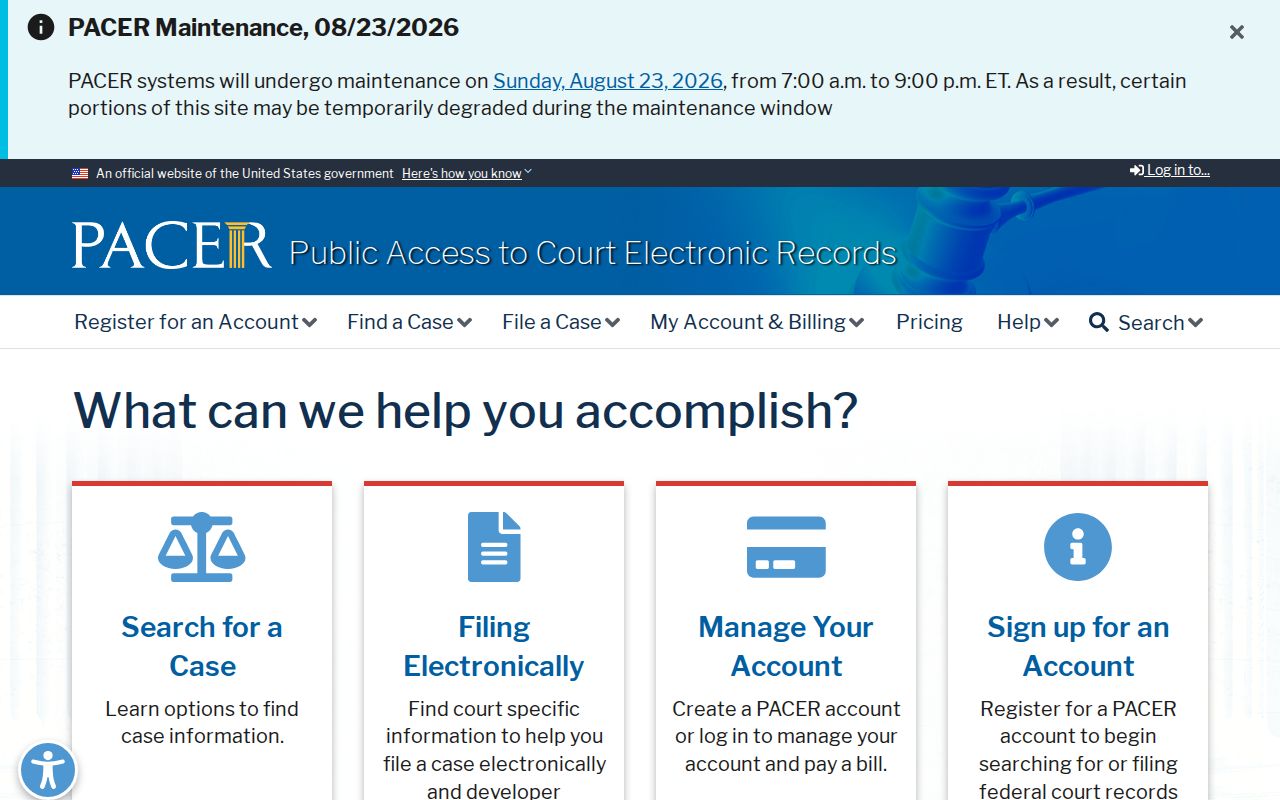
Federal records remain separate. PACER provides District of Hawaiʻi federal dockets, and the image below shows the official access route. It requires an account and may charge for use.
Federal custody uses a different system. The Federal Bureau of Prisons inmate locator searches federal custody records rather than Hawaiʻi state cases or local residence.
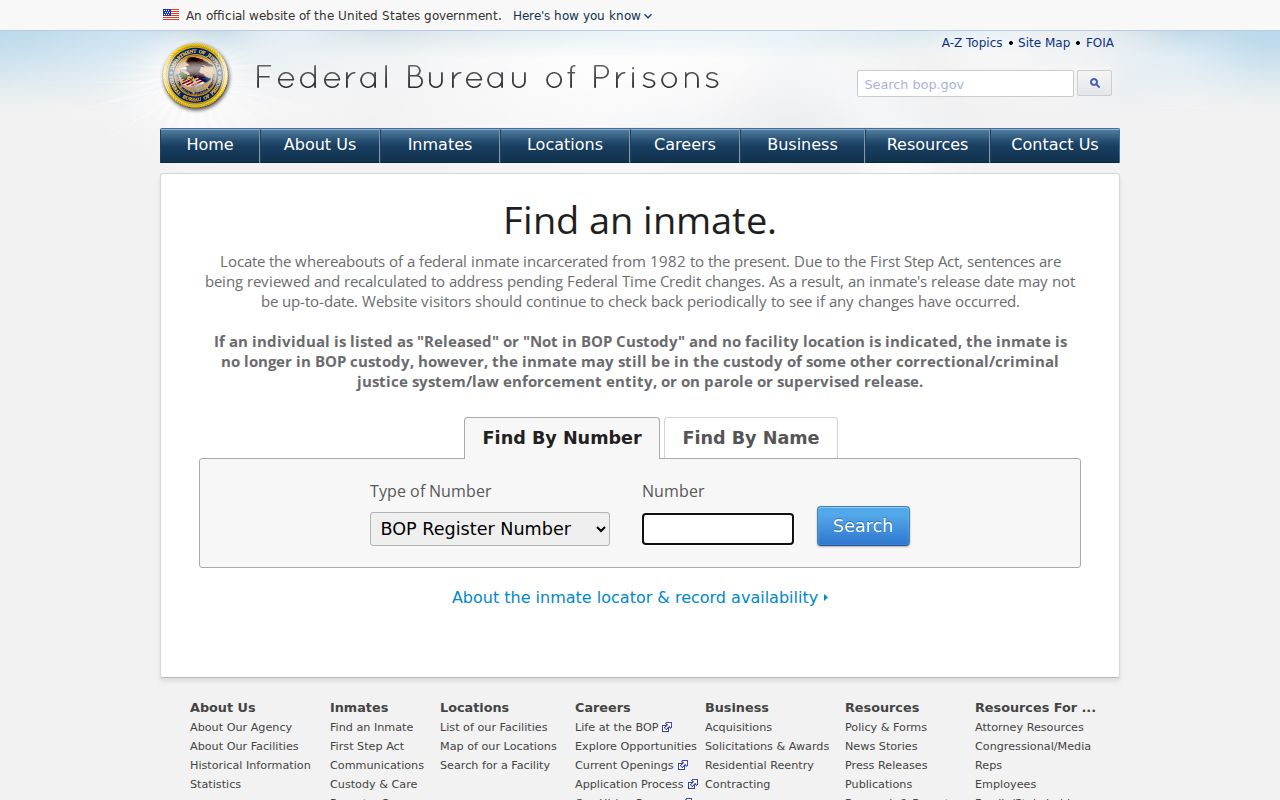
The locator can confirm a federal custody entry, but it cannot confirm a current Mililani Town address or resolve state custody questions.
When Mililani Lookup Results Fail
No result can mean the name is misspelled, the date or boundary is wrong, the record predates online coverage, or the file is sealed, expunged, unindexed, or held on paper. It does not prove that the person or event never existed. Try an alternate form of the name, verify whether “Mililani” means the USPS label or Census CDP, and narrow the time span.
Under the Hawaiʻi Uniform Information Practices Act, HRS chapter 92F, a person may request an existing government record from the agency that keeps it. Describe the record, department, date, address, TMK, and desired format. The Office of Information Practices guidance lists $10 per hour for search and $20 per hour for review, along with timing, waiver, and incremental-disclosure rules. An agency need not create a new directory or answer a research question.
Note: Record the portal, query, date, and access gap so a later search can distinguish a true mismatch from an unavailable file.
Mililani Resident Lookup Limits
Hawaiʻi's Address Confidentiality Program gives qualifying survivors a substitute mailing address and mail forwarding. Protected-public-servant rules, driver-record limits, court sealing, vital-record restrictions, and adoption law can also keep an address or identifier out of public view. Do not defeat those safeguards by combining fragments into a private profile.
Lawful use. A Mililani Town resident lookup is for lawful personal research. Never use a record to stalk, harass, intimidate, or harm anyone.
Correct an error with the custodian shown on the record. Keep only what the task requires, redact sensitive identifiers, and do not publish a date of birth, Social Security number, private phone, protected address, or certificate image. Official records can be out of date, and several “Mililani” boundaries may describe different places.